The Best Non-Toxic Ceramic Cookware Sets for Everyday Family Cooking
If you want to cook family dinners without worrying about PTFE, PFOA, lead, or toxic chemicals flaking into your eggs and sauces, high-performance ceramic cookware is the modern gold standard. Here is how top ceramic sets hold up to real weekday cooking.

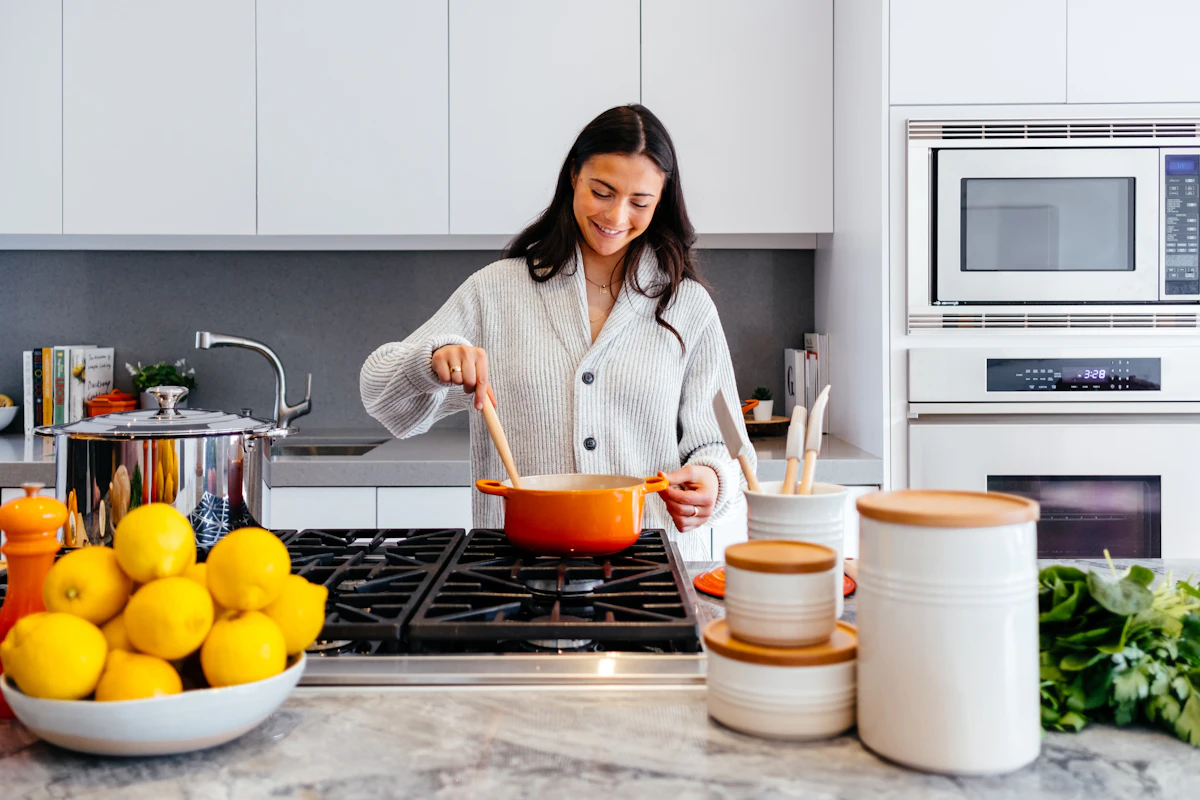
For most home kitchens, the Caraway Non-Toxic Ceramic Cookware Set offers the best blend of mineral non-stick performance, effortless hand-washing, and modular storage racks.
Why Switch to Non-Toxic Ceramic?
Traditional non-stick coatings rely on fluoropolymers like PTFE (commonly known by trade names such as Teflon). When overheated or scratched, these coatings can emit toxic fumes and leach microplastics into food. Modern ceramic non-stick uses a natural silica-derived sol-gel solution that cures into a sleek, glass-like mineral barrier, releasing zero hazardous fumes even under unexpected high temperatures.
Real-Life Performance: The Morning Egg Test
We tested these sets over four weeks across common weekday bottlenecks: sunny-side-up pasture eggs, delicate wild salmon fillets, and slow-simmered tomato marinara. In our morning tests, room-temperature eggs cooked in a teaspoon of grass-fed butter slid effortlessly onto the plate without spatula resistance. Hand-washing required nothing more than warm water and a soft Swedish dishcloth.
Essential Care Rules for Long-Lasting Ceramic Pans
To ensure your ceramic pans maintain their mirror non-stick slickness for years, always observe three cardinal rules: never heat dry pans on high heat; never spray aerosol cooking oils (which contain propellants that polymerize and ruin coatings); and let pans cool to room temperature before washing to prevent thermal shock warping.
Detailed Product Breakdown & Reviews
Caraway Non-Toxic Ceramic Cookware 12-Piece Set
Key Highlights
- Mineral-based ceramic non-stick coating
- Oven safe up to 550°F
- Magnetic pan rack and canvas lid holder included
What We Love
- • Completely free of PTFE, PFOA, cadmium, and lead
- • Outstanding thermal retention and even heat distribution
- • Included magnetic storage keeps cabinets pristine
Keep In Mind
- • Requires low-to-medium cooking heat to preserve coating
- • Hand-wash only with soft sponges
GreenPan Valencia Pro Hard Anodized Ceramic Non-Stick Set
Key Highlights
- Thermolon Minerals Pro diamond-infused ceramic
- Induction Magneto base technology
- Dishwasher safe and oven safe up to 600°F
What We Love
- • Very scratch-resistant compared to standard ceramic
- • Works seamlessly on all stovetops including induction
- • Stay-cool ergonomic stainless steel handles
Keep In Mind
- • Lids only heat safe to 425°F
- • Slightly heavier than standard aluminum pans
Frequently Asked Questions
Is ceramic cookware truly 100% non-toxic?
Yes, genuine ceramic cookware utilizes a mineral-based silica coating that contains zero fluoropolymers (PTFE), PFAS, lead, or cadmium. It will not leach chemicals into food even when preparing acidic ingredients like tomatoes or lemon reduction.
Can I use olive oil or butter in ceramic pans?
Yes! Butter, ghee, coconut oil, and light olive oil work wonderfully. However, avoid aerosol cooking spray canisters, as their chemical propellant agents create a stubborn sticky film that permanently degrades non-stick performance.
Sarah Jenkins
Founding Editor & Cookware Tester
Sarah is a home economics graduate and passionate advocate for natural, toxin-free living. For over 8 years, she has analyzed household items, tested cookware, and built organized, calm living spaces.
Read full editorial bio and testing standards