
Best Microfiber-Free 100% Cotton Cleaning Cloths for Streak-Free Windows and Mirrors
Microfiber is made of petroleum polyester that sheds microplastics every laundry cycle. Discover the tight-woven herringbone cotton cloths that polish glass, mirrors, and stainless steel without streaks.

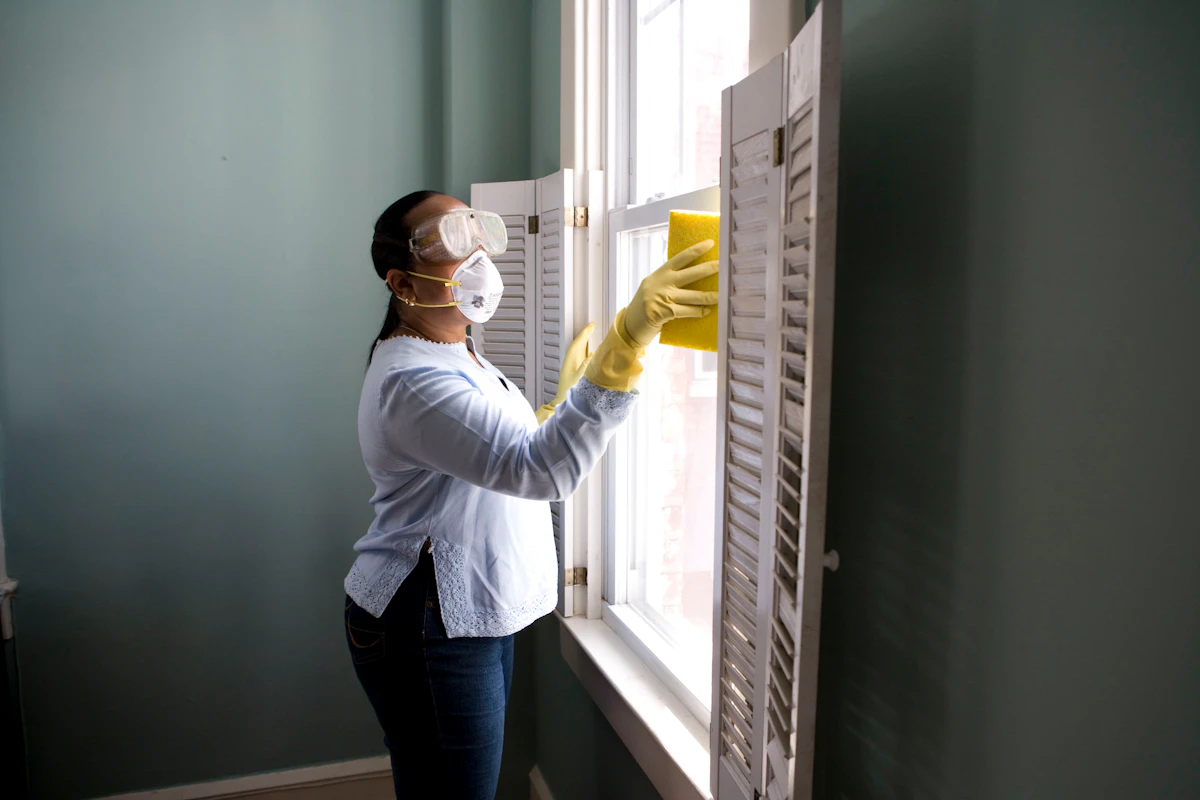
Utopia Kitchen 100% Cotton Bar Mops and Glass Towels provide lint-free commercial shine without synthetic microfibers.
The Secret to Streak-Free Mirrors
Use the two-cloth method: lightly spray mirrors with a 50/50 mix of distilled water and white vinegar. Wipe clean with a damp cotton cloth, then immediately buff dry with a second bone-dry cotton cloth. The glass will gleam like a luxury hotel mirror.
Detailed Product Breakdown & Reviews
Utopia Kitchen 100% Ring-Spun Cotton Bar Mop Cleaning Towels (Pack of 12)
Key Highlights
- 100% combed ring-spun cotton
- Ribbed texture for scrubbing grime
- Double-stitched hemmed edges
What We Love
- • Zero synthetic polyester microplastic pollution
- • Thick and highly absorbent for spills
- • Can be boiled or sanitized with oxygen bleach
Keep In Mind
- • Requires 1 to 2 initial washes to remove natural cotton lint
Frequently Asked Questions
Why does my glass have streaks after cleaning?
Streaks are usually caused by residual soap film from commercial blue glass sprays, or using dirty wash rags washed with fabric softeners.
Sarah Jenkins
Founding Editor
Sarah is a home economics graduate and passionate advocate for natural, toxin-free living. For over 8 years, she has analyzed household items, tested cookware, and built organized, calm living spaces.
Read full editorial bio and testing standards

